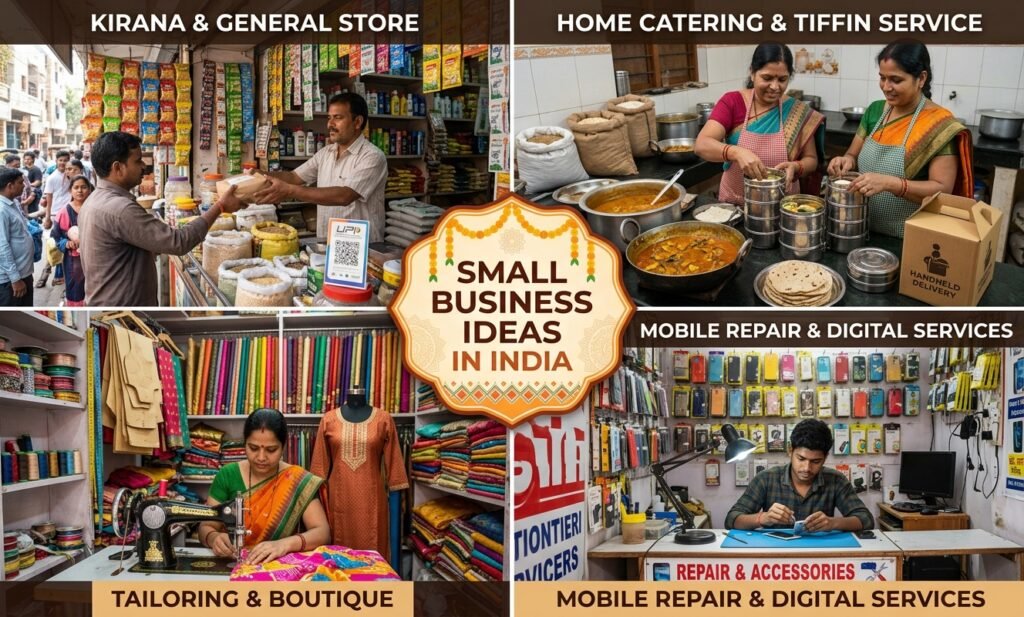

Starting a business does not always require a large office, expensive equipment, or a big team. Many entrepreneurs begin with a skill, a useful product, or a service that solves a real customer problem. The right opportunity depends on your budget, abilities, location, available time, and market demand.
This guide explores practical Small Business Ideas in India for beginners, professionals, part-time entrepreneurs, and people interested in home-based work. No business guarantees profit, so careful research, cost management, and consistent effort are essential.
What Are Small Business Ideas in India?
Small Business Ideas in India are opportunities that can be developed on a manageable scale. They include food services, tutoring, freelancing, retail, repairs, beauty services, handmade products, and digital services.
The Government of India classifies enterprises as micro, small, or medium according to investment and turnover. Under the current Udyam framework, these classifications help define the scale of an enterprise. Udyam Registration is the official government registration system for MSMEs.
Why Are Small Businesses Popular in India?
Small Business Ideas in India can help people turn skills, local knowledge, creativity, or customer needs into commercial opportunities. Some can operate from home, while others require a shop, equipment, workspace, or employees.
Government initiatives also support entrepreneurship and micro-enterprise development. Programs listed by the Ministry of MSME include PMEGP and other schemes designed for different entrepreneurial and business-development needs. Eligibility varies by scheme.
Who Can Start a Small Business?
Many people can explore entrepreneurship, including professionals, students, skilled workers, homemakers, freelancers, and experienced business owners. The important question is which idea matches the person’s resources and abilities. Someone who enjoys teaching could consider tutoring, while a technically skilled person might explore mobile repair or digital services.
How to Choose the Right Small Business Ideas in India
Choosing between different Small Business Ideas in India requires more than following a popular trend. Think about your budget, skills, location, customer demand, competition, time commitment, and expected expenses. Researching before investing can help reduce avoidable mistakes.
Consider Your Budget
Begin by determining how much money you can safely invest. Consider equipment, inventory, rent, transportation, packaging, software, marketing, utilities, and other operating requirements. Avoid committing essential personal savings to an untested idea. A simple budget can show whether the business is financially realistic.
Identify Your Skills and Interests
Your existing skills can give you a useful starting point. A person experienced in writing might offer content services, while someone skilled in cooking could explore a food business. Interest also matters because business ownership involves regular learning, customer communication, problem-solving, and repetitive tasks.
Research Local Market Demand
Market research helps you understand potential customers and competitors. Talk with customers, visit competing businesses, compare prices, and identify problems that existing businesses may not solve effectively. This information can help you create a more relevant product or service.
Best Small Business Ideas in India
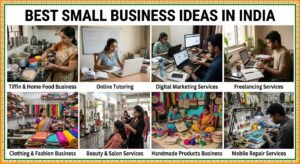
The best business idea is different for every entrepreneur. A practical choice should match your skills, resources, location, and customer demand.
Tiffin and Home Food Business
A tiffin or home-food business can serve people looking for convenient prepared meals. Potential customers may include office workers, students, and local residents. Start with a manageable menu and focus on food quality, hygiene, packaging, consistency, and reliable delivery. Food businesses should check applicable food-safety requirements before operating.
Online Tutoring
Online tutoring can suit people with strong knowledge of school subjects, languages, examination preparation, or other teachable skills. Tutors can provide individual lessons or small classes. Clear explanations, preparation, punctuality, and useful learning materials can improve the student experience.
Digital Marketing Services
Digital marketing services can include social-media management, content creation, search optimization, email marketing, and online advertising. Beginners do not need to offer everything. Focusing on one service can make it easier to develop expertise, build sample work, and explain your offer to clients.
Freelancing Services
Freelancing allows people to sell skills such as writing, graphic design, programming, translation, video editing, virtual assistance, and other professional services. A strong portfolio and reliable communication are important. Freelancers should understand project requirements, deadlines, payment terms, and expected deliverables before accepting work.
Clothing and Fashion Business
A clothing business can operate through a physical shop, home-based setup, social media, a website, or an online marketplace. Rather than trying to sell everything, beginners can focus on a particular customer group. Sourcing, sizing, quality, inventory, pricing, returns, and seasonal demand should all be considered.
Beauty and Salon Services
Beauty businesses may provide hair care, styling, grooming, skincare, or other services according to the owner’s training and applicable rules. Hygiene, appropriate equipment, customer service, and professional skills are important. Entrepreneurs operating from home should also check relevant local requirements.
Handmade Products Business
Handmade businesses can include crafts, personalised gifts, decorations, accessories, artwork, and other creative products. A distinctive design or personalised service can help a product stand apart. Calculate material, packaging, delivery, and marketing expenses before setting prices.
Mobile Repair Services
Mobile repair can suit people with appropriate technical skills and training. Services may include diagnostics, battery replacement, screen-related repairs, or software troubleshooting. Customer trust is essential because devices can contain valuable information. Clear pricing, careful handling, and professional records can improve customer confidence.
Low-Investment Small Business Ideas in India
Low-investment does not mean zero-investment. Even a small operation may need tools, internet access, materials, transportation, marketing, or working capital. Choose a model where the required resources fit your financial situation.
Home-Based Business Ideas
Home-based options can include tutoring, freelancing, handmade products, selected food businesses, tailoring, consulting, and digital services. Working from home can reduce the need for a separate commercial location, but applicable local and industry requirements should still be checked.
Online Business Ideas
Online opportunities include tutoring, freelancing, digital marketing, content services, online retail, and consulting. An online model can reach customers beyond your local area, although competition may also be broader. A professional online profile can help customers understand your services.
Service-Based Business Ideas
Service businesses can be practical because they may require less physical inventory than product-based businesses. Tutoring, writing, design, photography, repairs, consulting, marketing, and bookkeeping are examples. In many cases, the entrepreneur’s knowledge and time are the primary resources.
Small Business Ideas in India for Beginners
Beginners should choose an operation they can understand and control. Simple business models make it easier to learn about customers, pricing, sales, expenses, and daily operations.
Businesses You Can Start Part-Time
Freelancing, tutoring, writing, design, digital marketing, handmade products, and selected consulting services can potentially be operated part-time. A part-time approach can allow entrepreneurs to test demand before making a larger commitment.
Businesses Requiring Limited Experience
Some businesses can be learned gradually. Beginners can start with a narrow service or product range and expand as their knowledge develops. Limited experience should never mean ignoring quality, training, safety, or applicable legal requirements.
How Much Investment Is Needed to Start a Small Business?
There is no universal investment figure. A freelancer may primarily need a computer and internet connection, while a food business, salon, or repair shop may require equipment and workspace. Calculate the actual costs of your chosen business rather than relying on generic estimates.
Understanding Startup Costs
Startup expenses may include equipment, inventory, packaging, furniture, software, branding, transportation, marketing, and applicable registrations. List expected expenses before spending. This helps separate essential purchases from items that can wait.
Managing Monthly Expenses
Monthly expenses can include rent, utilities, internet, transportation, advertising, software, inventory, maintenance, and employee costs where applicable. Keeping regular records makes it easier to understand where money is being spent and where costs can be reduced.
Starting Small and Growing Gradually
Starting small lets you test demand before making major investments. Begin with a manageable product range or customer group. If demand develops, expand inventory, services, equipment, or marketing gradually.
How to Start a Small Business Ideas in India
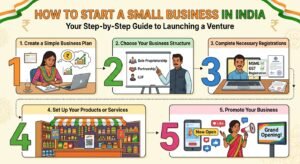
Starting a business requires planning as well as understanding applicable registrations and approvals. Requirements depend on factors such as business activity, location, and structure. The National Single Window System helps users identify applicable approvals through its Know Your Approvals system.
Create a Simple Business Plan
Explain what you will sell, who your customers are, how you will reach them, what you expect to spend, and how the business will generate revenue. A simple plan can expose risks before you invest.
Choose Your Business Structure
The appropriate structure depends on the business and the owner’s circumstances. Different structures can have different taxation, liability, and compliance considerations. Professional advice can be useful when the business arrangement is complicated.
Complete Necessary Registrations
Required registrations vary by business and location. NSWS provides information for identifying applicable central and state approvals. Eligible MSMEs can use the official Udyam Registration system. The government describes Udyam Registration as a free, paperless online process with a permanent registration number.
Set Up Your Products or Services
Prepare products, equipment, workspace, payment methods, delivery arrangements, and customer-support processes before launch. Good organization can make even a small business appear professional and reliable.
Promote Your Business
Promotion can include social media, referrals, local networking, online listings, content marketing, direct outreach, or paid advertising. Choose channels that match your target customers and measure results before increasing promotional spending.
Tips to Make a Small Business Successful
A strong idea alone is not enough. Long-term performance depends on customer understanding, quality, cost control, marketing, and consistent management.
Understand Your Target Customers
Know who your customers are, what they need, what they can afford, and why they might choose your business. Customer feedback can reveal opportunities for improvement.
Keep Business Costs Under Control
Revenue is not the same as profit. Businesses must account for the costs involved in providing products or services. Review expenses regularly and avoid unnecessary purchases.
Build an Online Presence
A website, social-media profile, portfolio, business listing, or online catalogue can help potential customers discover your business. Choose the online channels that make sense for your particular audience.
Provide Excellent Customer Service
Respond clearly, give realistic delivery times, explain prices, and handle complaints professionally. Reliable service can help build customer trust and encourage repeat business.
Track Sales and Expenses
Record sales, expenses, payments, inventory, and other important financial information. Regular records help identify successful products, unnecessary costs, and areas requiring improvement.
Read more: FurtherBusiness com: Complete Guide to Features, Benefits & Business Resources
Common Mistakes to Avoid When Starting a Small Business Ideas in India
Starting a business without proper preparation can create avoidable challenges for new entrepreneurs. Understanding common mistakes can help you make better decisions and protect your available resources.
Starting Without Market Research
An idea may sound excellent but still have limited demand in the target market.
Research potential customers, competitors, pricing, and local demand before making significant investments.
Investing Too Much Money Initially
Spending heavily on inventory, equipment, or office space can create unnecessary financial pressure. Start with the resources your business actually needs and increase investment as the business develops.
Ignoring Competition
Competitors can provide useful information about customer expectations, pricing, quality, and service. Study competing businesses and identify a practical way to make your products or services stand out.
Neglecting Marketing
Even a useful product or service needs visibility to reach potential customers.
Create a consistent marketing strategy and track which promotional methods generate enquiries, customers, or sales.
Final Verdict
Starting a small business can be a practical way to turn your skills, interests, and available resources into a source of income. The best Small Business Ideas in India depend on factors such as your budget, experience, local demand, and the amount of time you can invest.
From tiffin services and online tutoring to digital marketing, freelancing, clothing, beauty services, handmade products, and mobile repair, beginners have many options to explore. Starting on a manageable scale can help you understand customers, control expenses, and improve your business gradually.
FAQs About Small Business Ideas in India
1. What Are the Best Small Business Ideas in India for Beginners?
Some popular options include online tutoring, freelancing, tiffin services, digital marketing, and handmade products. The best choice depends on your skills, budget, and local demand.
2. Which Business Ideas in India Require Low Investment?
Home-based and service-based businesses can often be started on a smaller scale. Freelancing, tutoring, digital services, and handmade products are examples to consider.
3. Can I Start Business Ideas in India From Home?
Yes, many businesses can be operated from home, depending on the activity and local requirements. Food, tutoring, freelancing, and handmade-product businesses are possible options.
4. Which It Can Be Started Part-Time?
Freelancing, online tutoring, digital marketing, and handmade products may work well for part-time entrepreneurs. Choose an option that fits your available time and customer needs.
5. How Can I Make Small Business Ideas in India Successful?
Research your target market, manage expenses carefully, promote your business consistently, and provide good customer service. Tracking sales and customer feedback can help you improve over time.